These are the Venture Challenge Spring 2026 teams!
Six teams have started the Venture Challenge Spring edition 2026! These starting life sciences entrepreneurs will learn everything about building and pitching a business plan. By participating in the Venture Challenge, the teams will get a huge boost to take their idea to the next level. Not only will they receive one-on-one coaching, but they will also get the chance to pitch to investors and get in touch with seasoned entrepreneurs. The teams will be announced one by one. Meet the teams below!
ReFOLD - ReFOLD doesnt fix the dna, it restores the protein
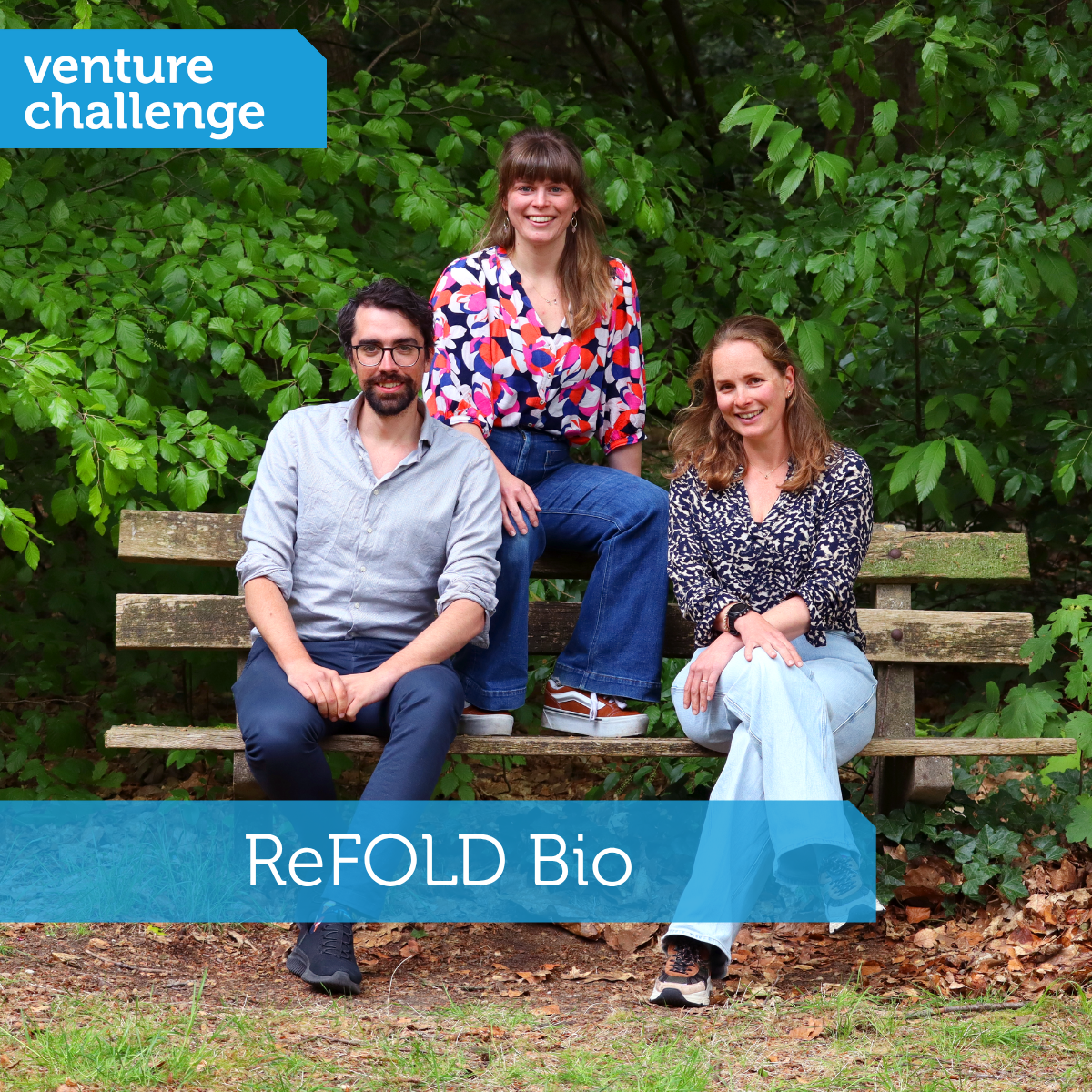
From left to right: Maarten Geurts, Else Driehuis and Annemarie Rietman
Many severe genetic diseases caused by protein misfolding still lack curative treatment options because current gene editing approaches cannot safely or efficiently address the underlying mutations.
ReFOLD bio is developing a CRISPR base editing platform that identifies safe genetic targets to restore protein folding and function in disease-relevant human cell models. Building on early results in cystic fibrosis, the team combines target identification with functional validation and safety assessment.
SynTEG- SynTEG: Turning cancer treatment into cure
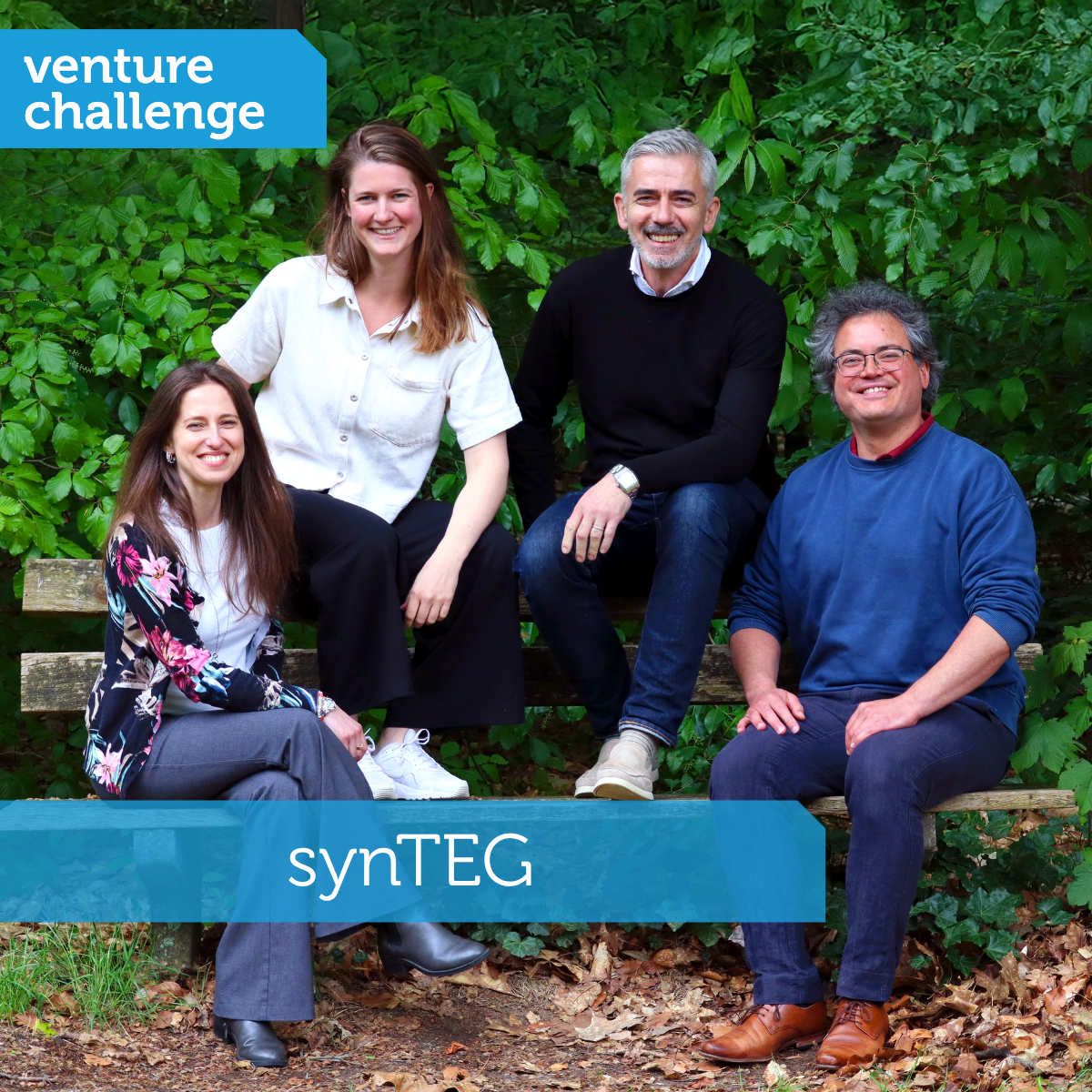
From left to right: Valentina Vignali, Eva van Ingen, Zsolt Sebestyén and Dennis Beringer
While immunotherapies have transformed treatment responses for several cancers, effective therapies are still unavailable for many tumour types.
synTEG therapeutics is developing an engineered immune cell therapy that can recognise and destroy tumour cells from multiple origins without targeting healthy cells. The team is working to bring this therapy from the laboratory to the clinic to assess its safety and efficacy.
Gateway Bio- Providing a gateway for antibiotics
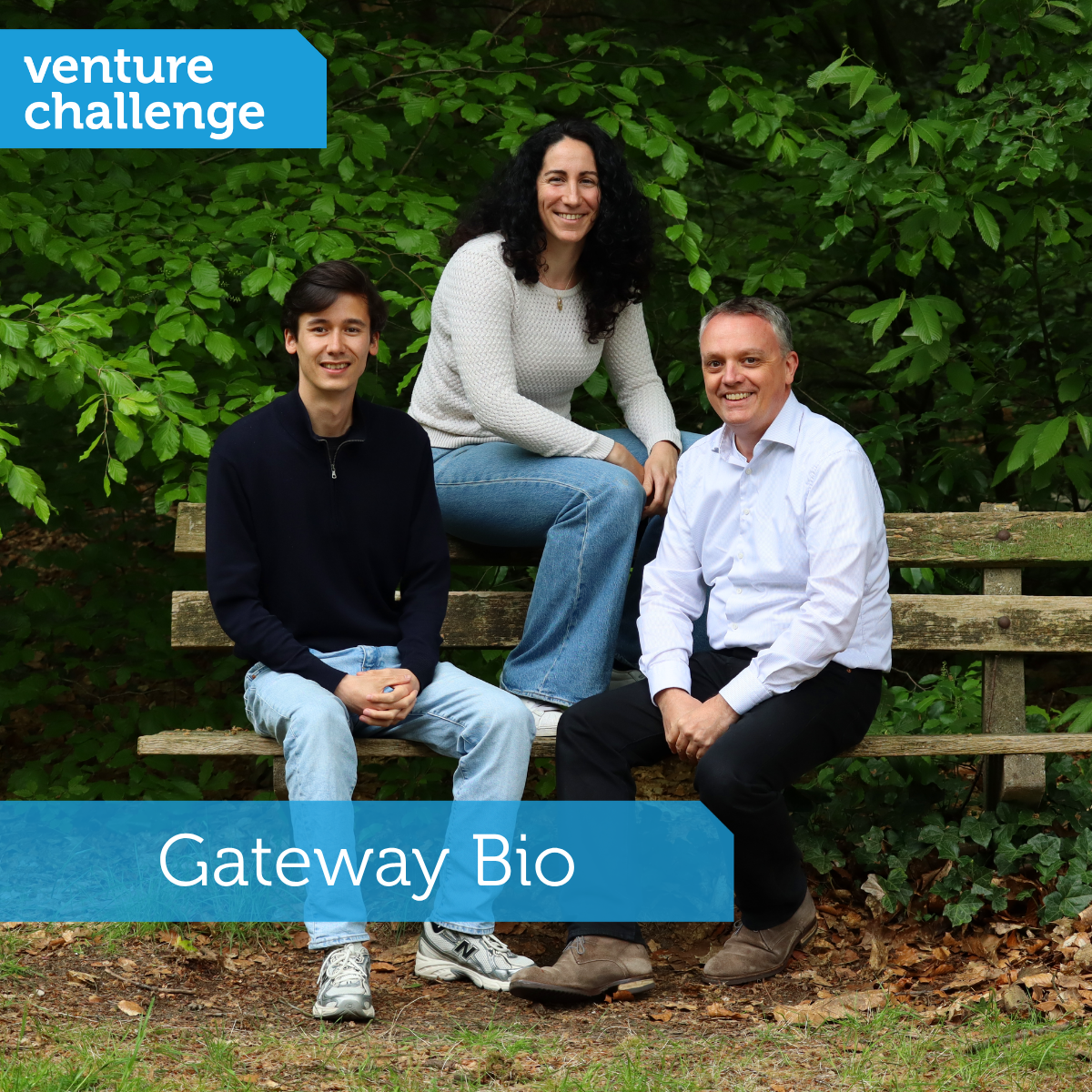
From left to right:Mark ter Heide, Sandra Michel-Souzy and Jos Paulusse
Antibiotic-resistant E. coli bloodstream infections are a growing global health challenge with limited treatment options and increasing resistance to existing antibiotics.
Gateway Bio is developing a first-in-class antibacterial therapy based on a nanocarrier platform that delivers antimicrobial agents directly inside bacteria, bypassing key resistance mechani ms. The lead program focuses on resistant E. coli bloodstream infections and is being developed for both intravenous treatment and oral step-down therapy.
Autoplan - Robust, automated, radiotherapy treatment plans

From left to right:André Brouwer, Tezontl Rosario and Thom Stirrop
Radiotherapy treatment planning currently requires several hours of specialised manual work and can vary depending on planner expertise.
AutoPlan is an automation application developed at Amsterdam UMC that generates clinical grade radiotherapy treatment plans in approximately 25 minutes. The technology has already been used in clinical production for over eight years across multiple cancer types and a ms to help radiotherapy departments reduce planning bottlenecks while delivering consistent treatment quality.
GlycoDiagnostics - Glycons as early indicators of liver fibrosis
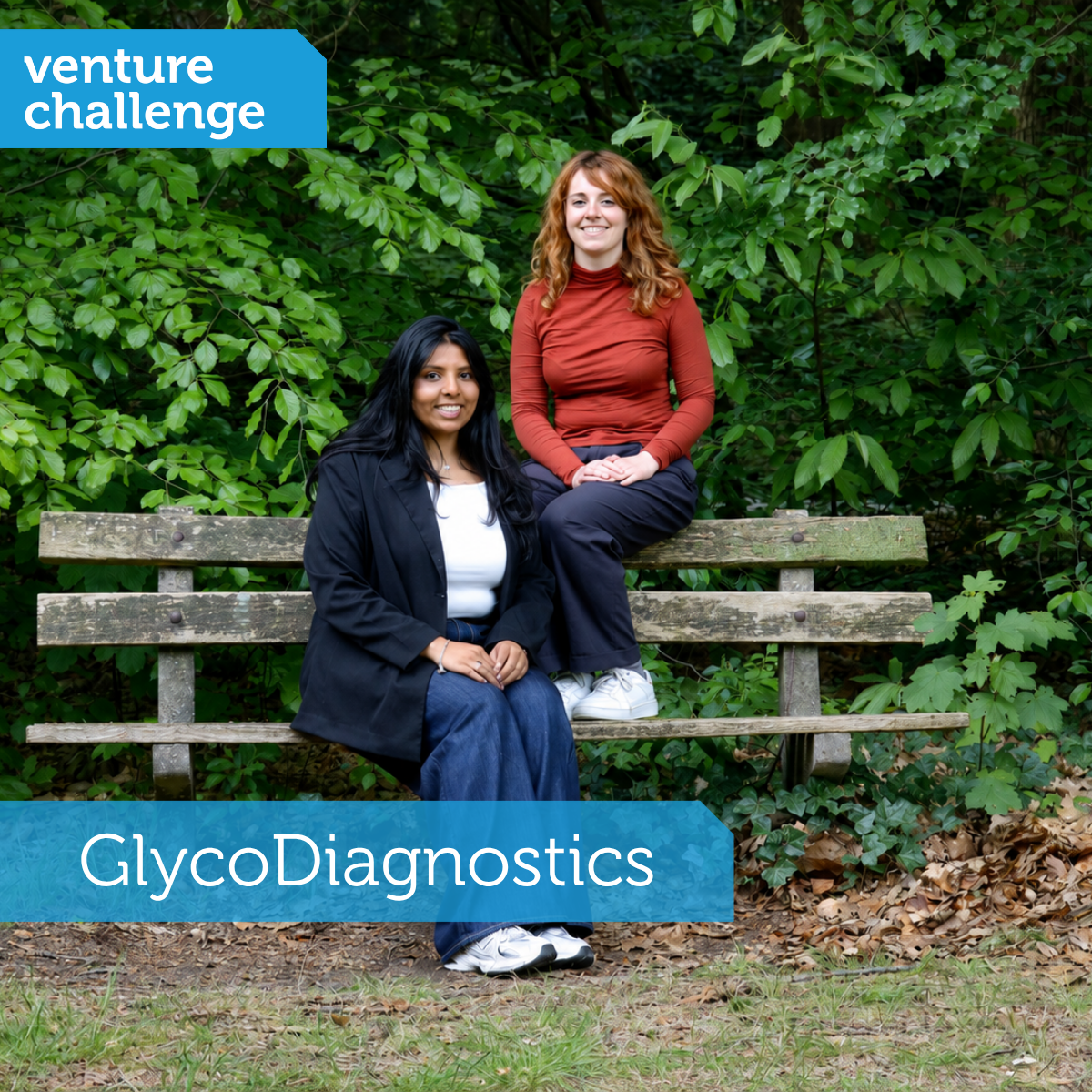
From left to right:Vrinda Mohanlal and Katarina Madunic
Millions of people live with liver disease without knowing it, because early-stage fibrosis often develops without noticeable symptoms.
GlycoDiagnostics is developing a blood test based on glycan patterns that can detect early signs of liver fibrosis, pa ticularly in high-risk patients such as people with type 2 diabetes or fatty liver disease. Earlier diagnosis could help enable treatment before severe liver damage occurs.
Platelet Dx - Treating cancer starts with an early diagnosis
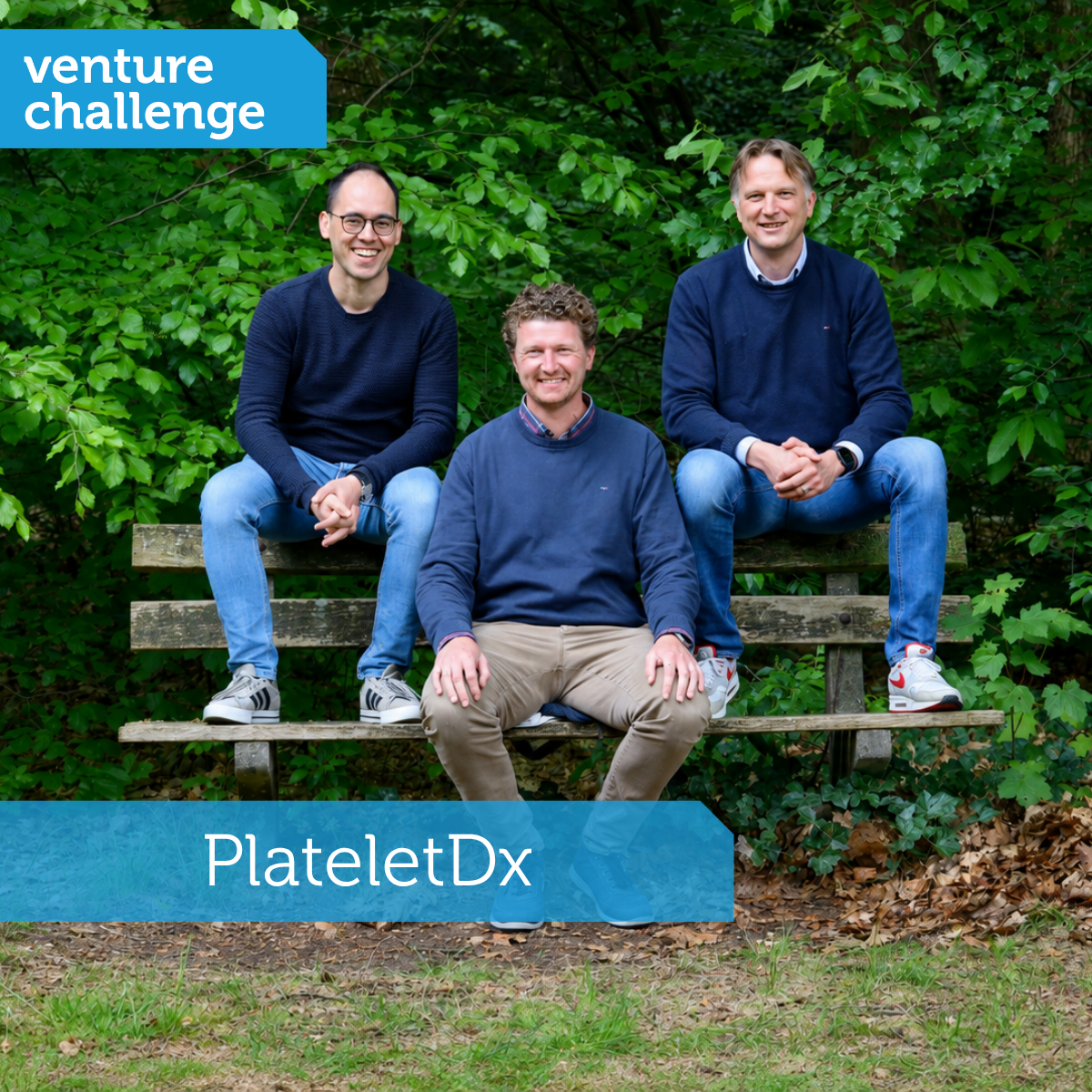
From left to right: Myron Best, Sjors in 't Veld and Pieter Slijkerman
Early cancer detection through blood testing is considered one of the major challenges in oncology, while current li uid biopsy strategies often show limited detection efficiency in early-stage disease.
PlateletDx is developing a liquid biopsy approach based on RNA signatures in tumour-educated blood platelets. The technology aims to complement existing multi cancer detection tests and therapy monitoring through systematic profiling of platelet RNA signatures.